Case Study · 2025
Joona
Digital Health Companion
In Germany, health data is split between insurance apps, hospital systems, and physical folders. No single product serves the whole picture. Joona does.
8 products, one gap
We mapped eight German health apps. None of them handled family profiles.
6 user tests
Six people tested the first version. The home screen changed. The calendar changed. Both were better for it.
Built for 0 to 50K users
Multi-service architecture that scales without rebuilding. Ready for the next feature push.
Overview
A personal health record that actually feels like yours.
Joona is a health app for individuals and families managing their own records and their family's. In Germany, health data is fragmented across insurance apps like TK and Barmer, hospital systems, and paper folders. None of them talk to each other. Joona fills that gap with a single private space that also handles family profiles. I ran the project as sole designer across six months: brand identity, information architecture, user research and testing, UI system, and all visual design.
Business Needs
Build a health product that communicates trust, not just security.
The brief: a product that feels safe to use in a market where data distrust runs high. German users are sceptical by default, and GDPR compliance plus German-hosted servers had to be product features, not legal boilerplate. Multiple profiles, sensitive data, no buried privacy settings. Emergency QR codes, premium tracking, and expanded health tools were on the roadmap. We agreed on what to ship first based on user research.
The Challenge
Four distinct problems, one product.
During user interviews, several participants said their medical records felt poorly organized at doctor appointments. Documents scattered across iPhone Files, Google Drive, and physical printouts.
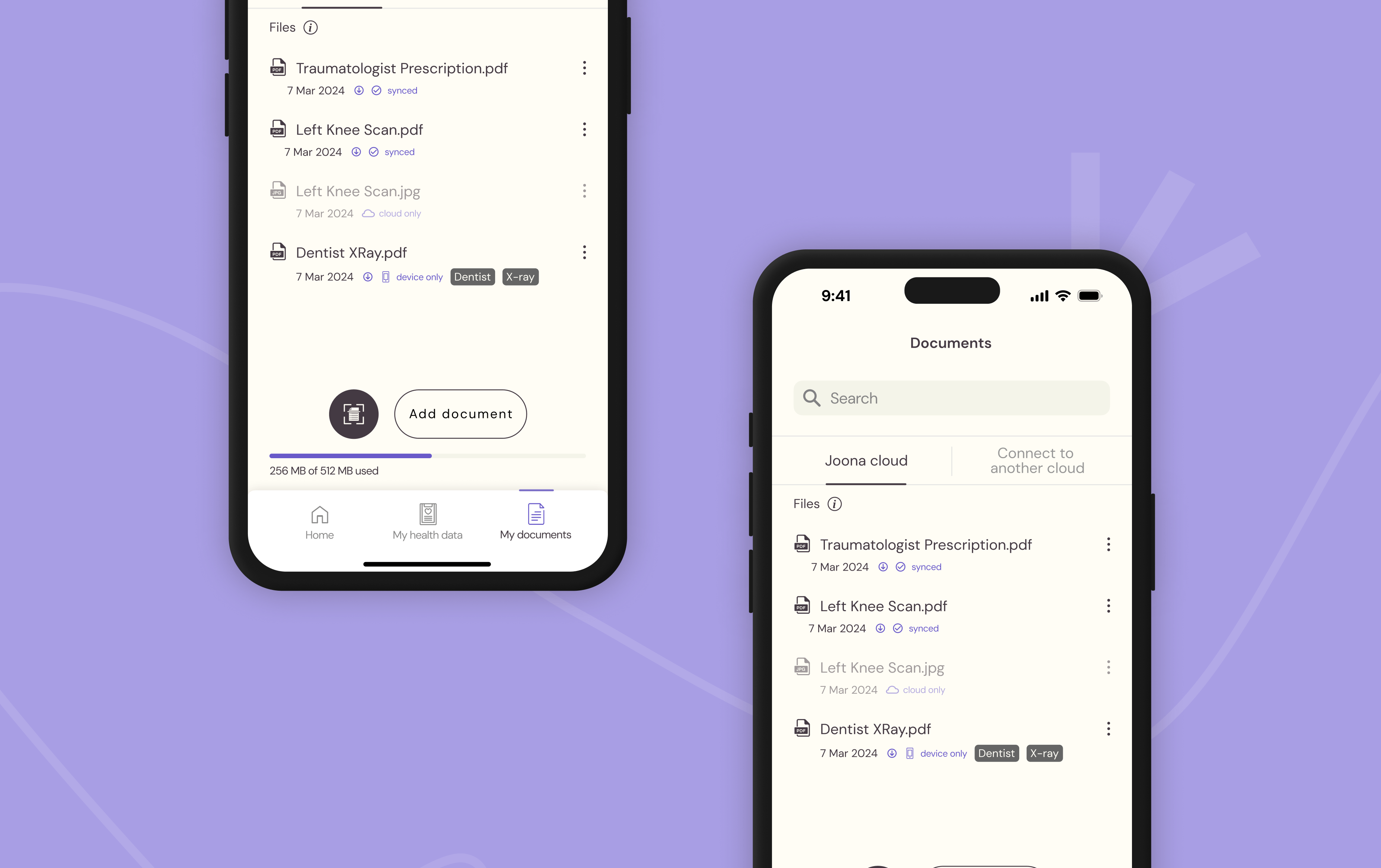
Joona puts medical records, documents, symptom logs, and family profiles in one place. Google Drive and Apple Health connect directly so data doesn't have to be re-entered.
German users are specifically sensitive to where their data is stored. The existing insurance apps, TK, Barmer, and Allianz ePA, bury security in legal copy. Users couldn't tell if their data was actually protected or just technically compliant.
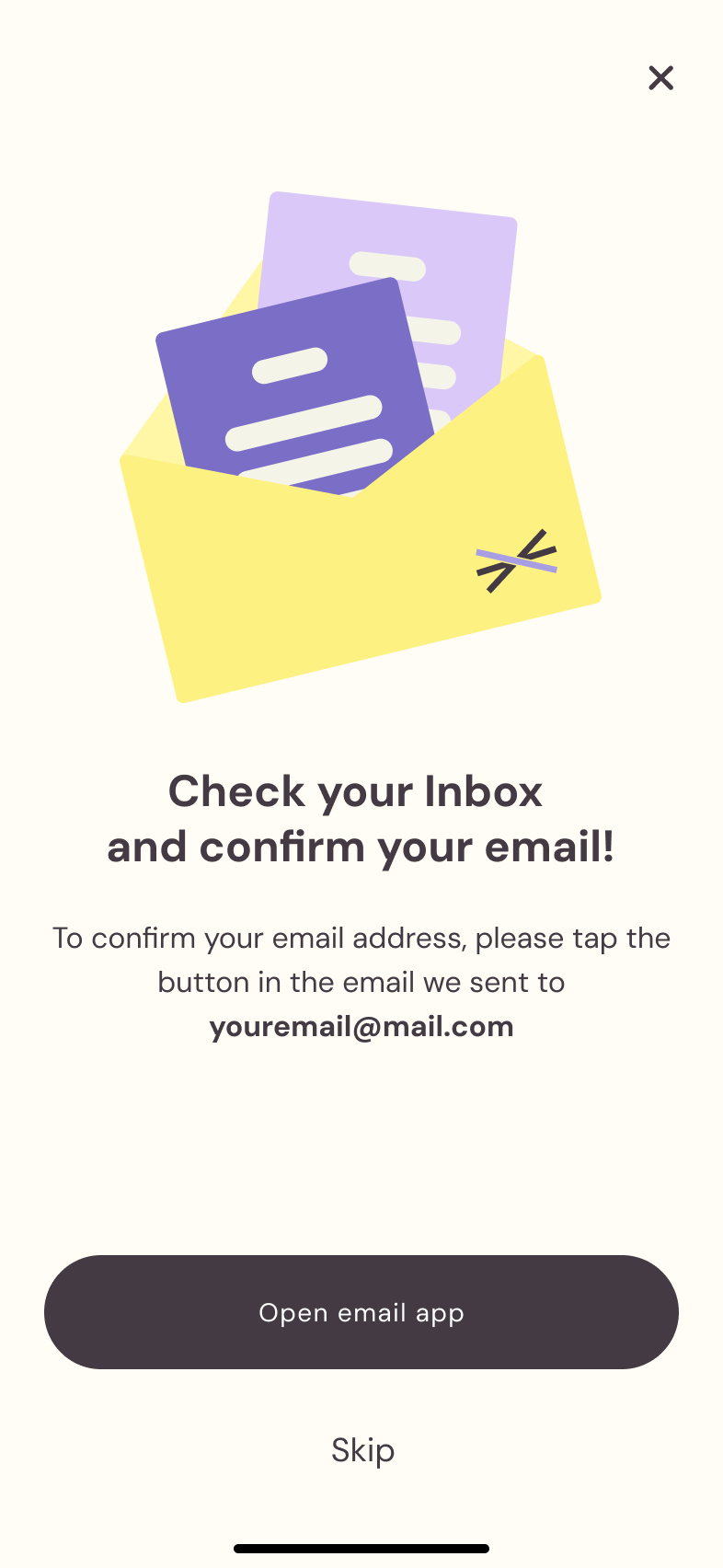
GDPR compliance and German-hosted servers are product features from onboarding, not a settings screen. Privacy language is plain and placed where decisions actually happen.
Managing your own records, your partner's parents' medical history, and eventually your newborn's profile shouldn't mean three different apps. That was the real use case we were designing for.
Family profiles support role-based access: viewer or editor. A partner can fill in their own family's data directly without the main user having to chase it down.
TK, Barmer, and Allianz ePA all look like corporate portals. Apple Health has no health records access in Germany. The bar for visual quality in this space is genuinely low.
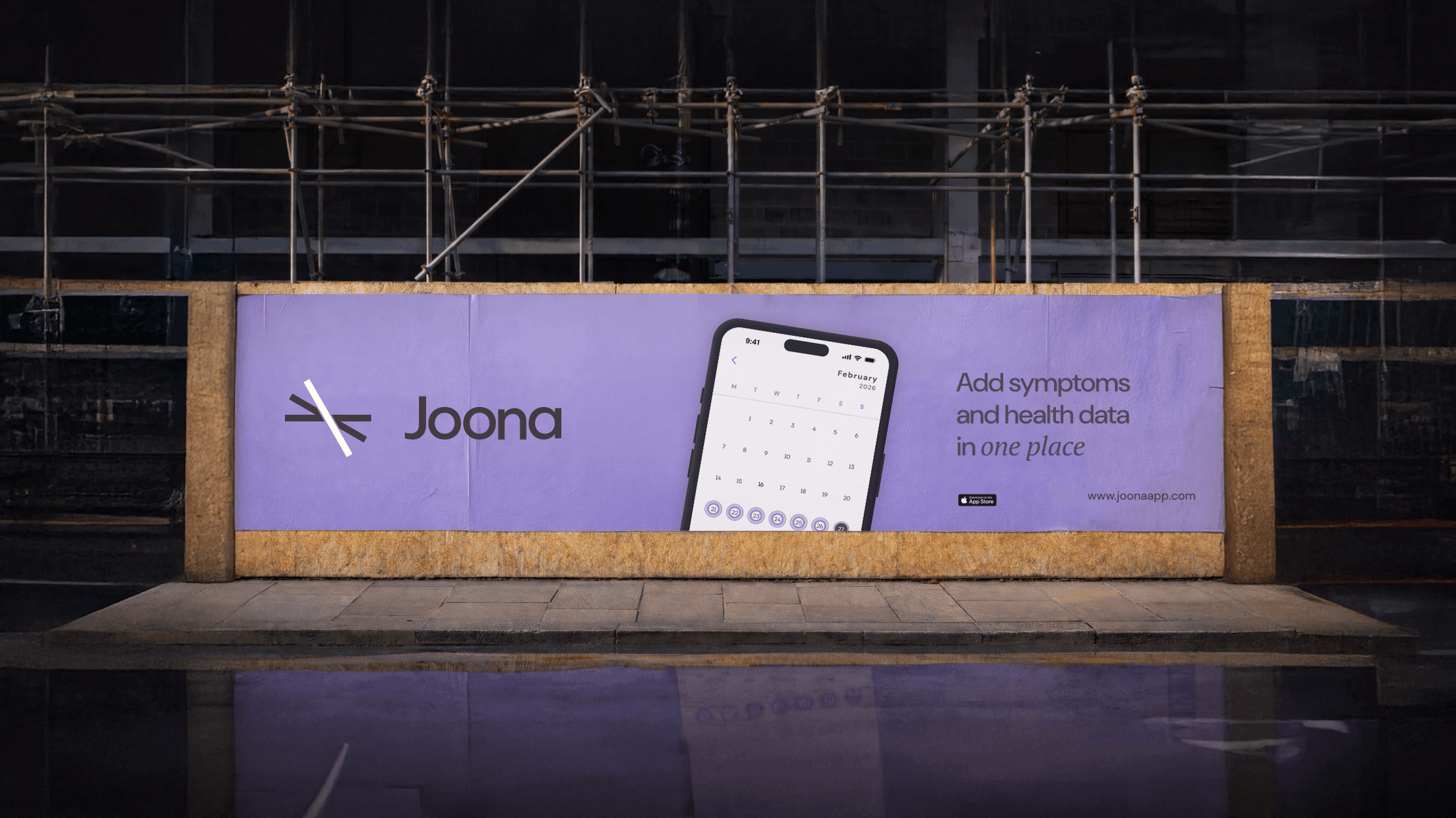
Joona's visual system is warm without being soft. Typography, colour, illustration, and tone of voice all come from the same brief: approachable, but credible.
Research
Eight competitors. One clear gap.
I mapped eight products across the German health space: ePA, TK App, Barmer, Allianz ePA, Generali, Apple Health, Google Fit, and Microsoft HealthVault. Most were insurance administration portals disguised as health apps. Apple Health had no health records feature in Germany. None of them handled family profiles. Microsoft's HealthVault failed partly for the same reasons Joona was created: it focused on hospital-generated records and ignored patient-generated data entirely.
- —German users are specifically anxious about data storage location. GDPR compliance alone wasn't enough.
- —None of the eight competitors handled the full lifecycle: document storage, symptom tracking, family profiles, and health context modes in one app.
- —The existing apps treated families as edge cases. Our primary persona was managing her own records, her parents', and her partner's parents'. That's the normal case.
- —Readability and accessibility aren't optional when the content is someone's medical history.
- —Six user tests. The home screen and calendar changed significantly from the first version.

Design Process
From brand to live product, in phases.
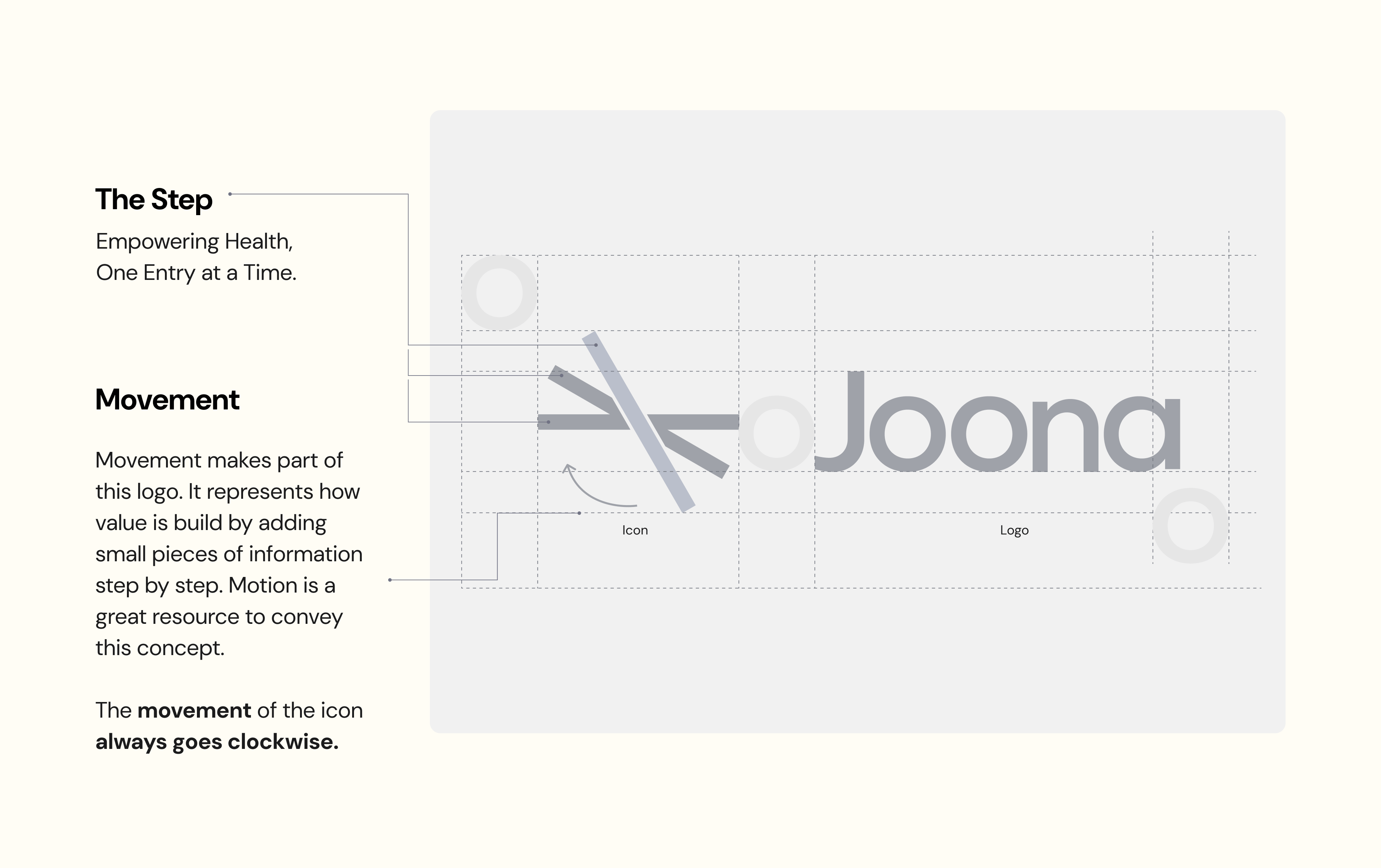
Brand Identity
Honest, innovative, and human.
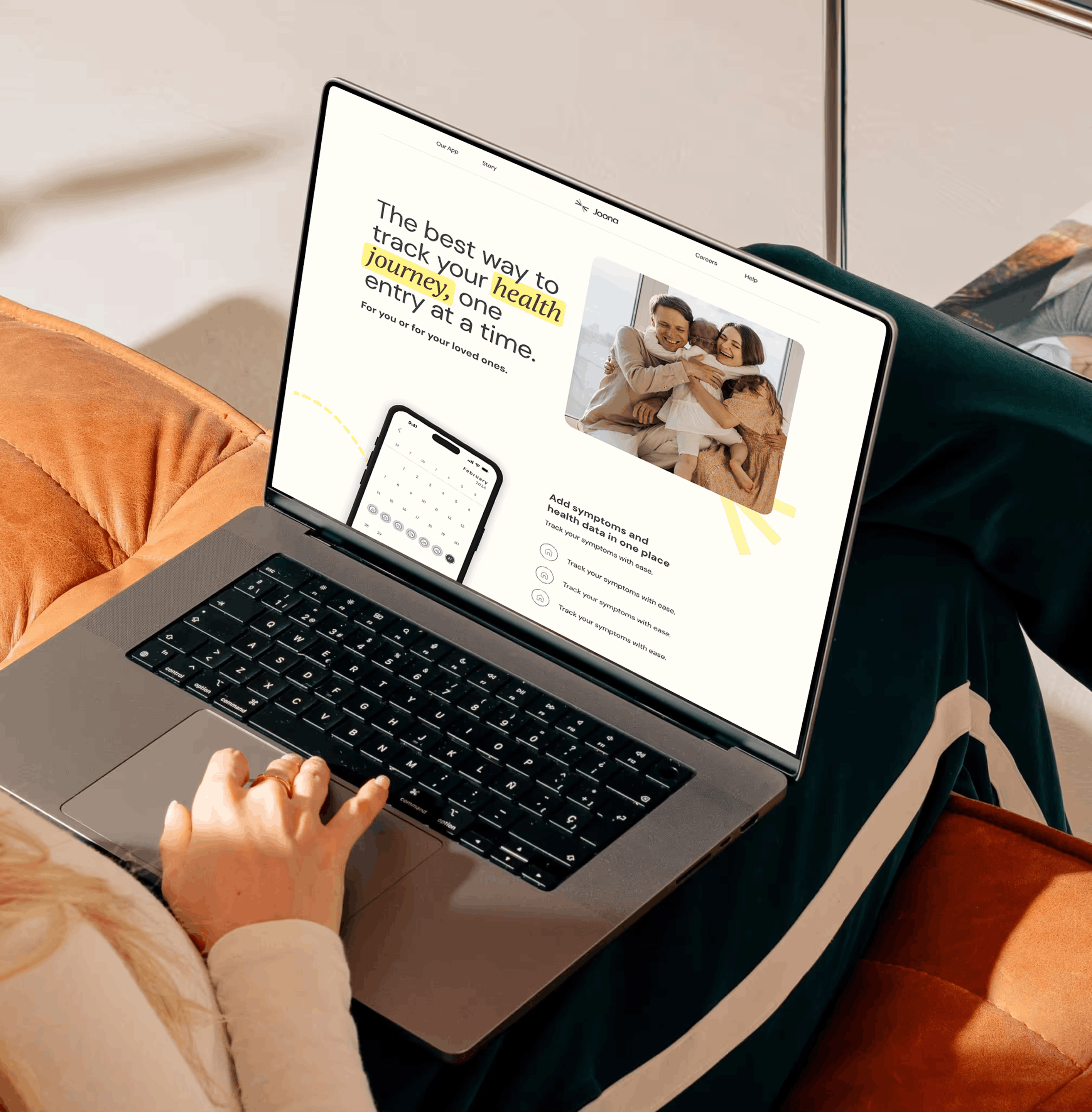
Joona's brand was built alongside the product. Typography, colour, illustration, and tone of voice were defined as one system from the start. Approachable enough for families, credible enough for a medical context.
Information Architecture
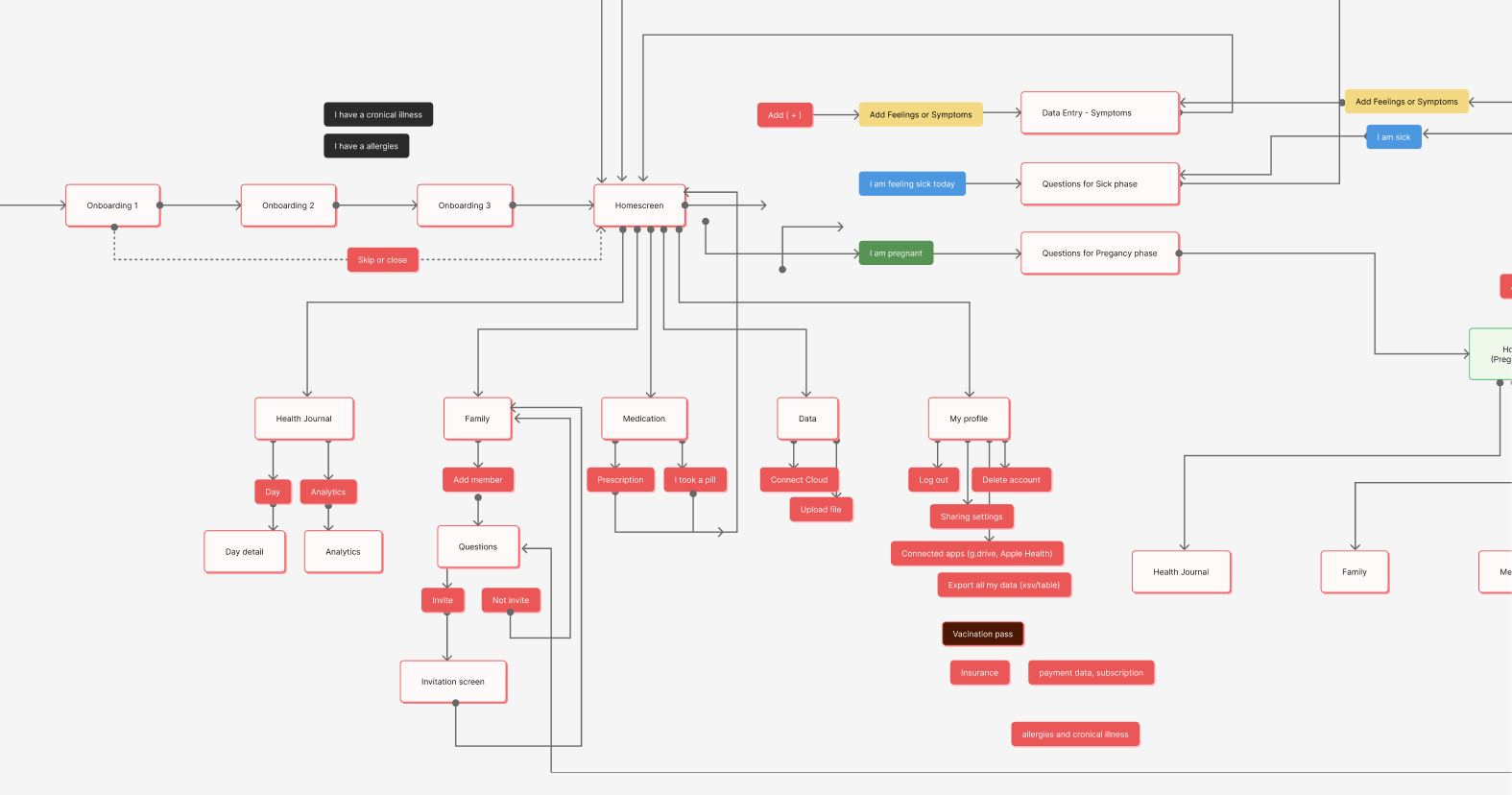
Every flow mapped before a single pixel was placed.
Onboarding, document upload, family profile setup, and the two core health-state modes, sick phase and pregnancy phase, were all mapped before visual design started. The navigation runs across five sections: Health Journal, Family, Medication, Data, and Profile. The sick and pregnancy modes adapt the home screen context without changing the overall structure. Each state surfaces different actions without requiring a separate app experience.
Visual Design System
Medical information made clear and scannable.
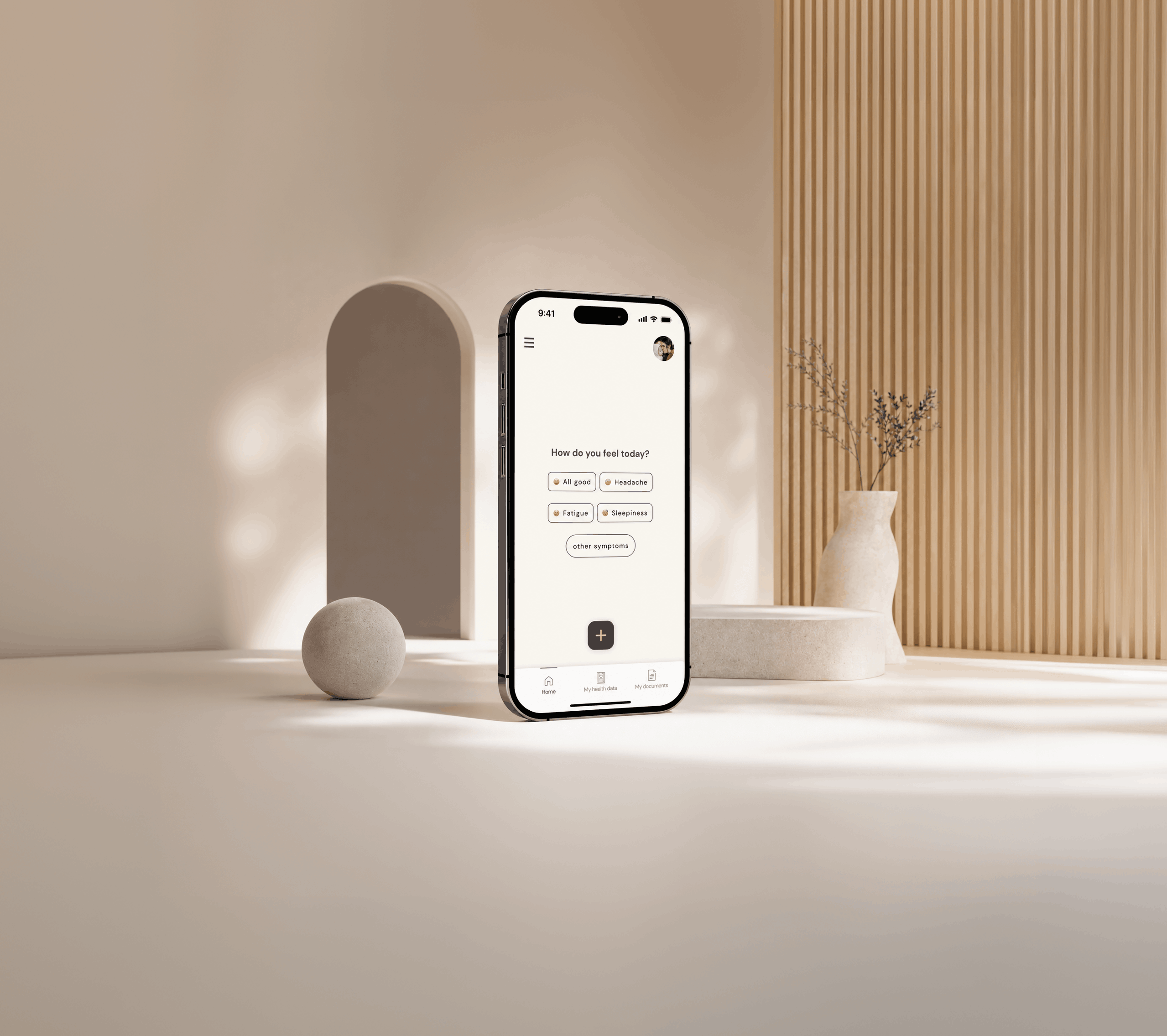
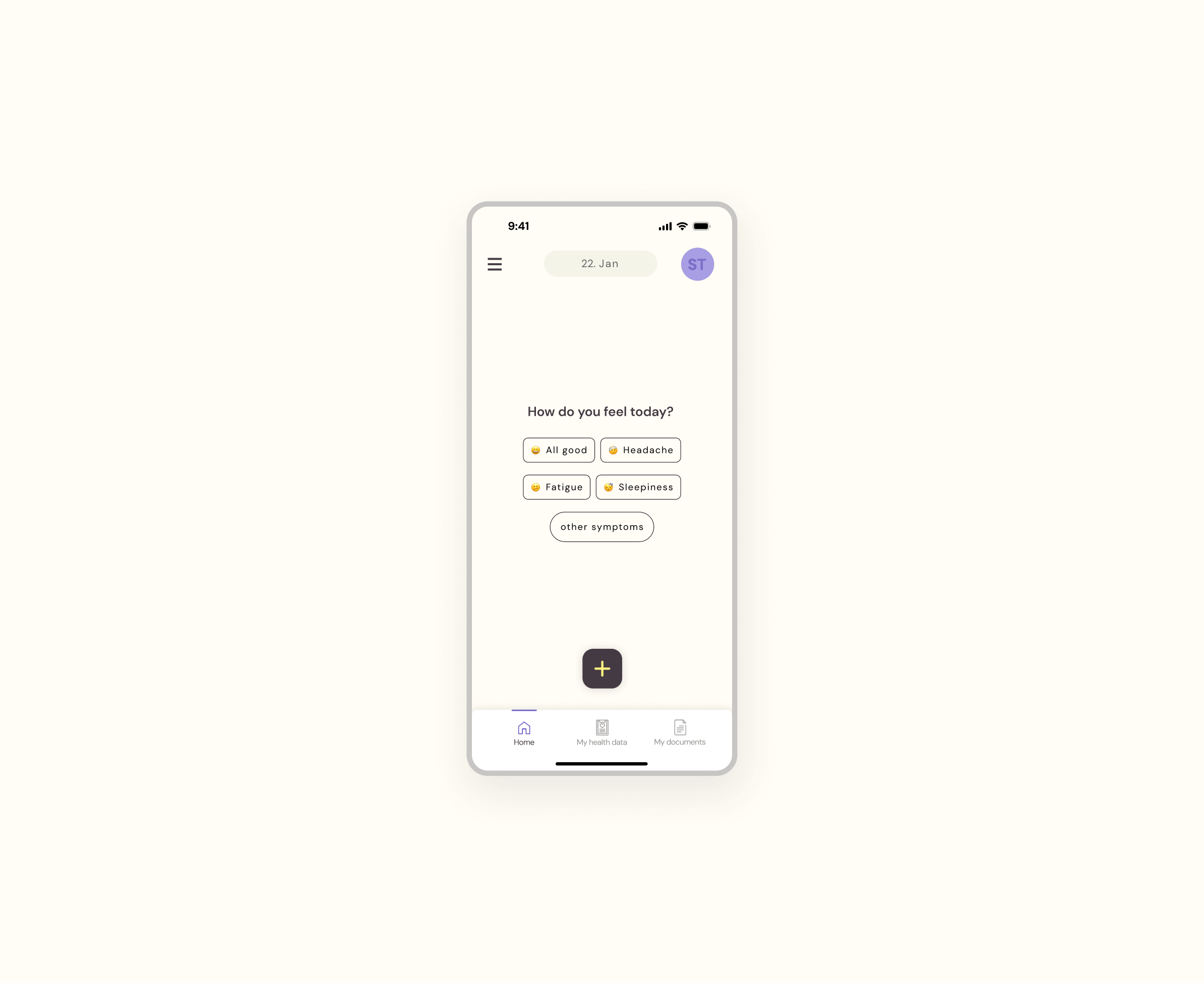
Medical information structured for daily reading, not clinical review. The home screen adapts to the user's active health state: standard, sick phase, and pregnancy phase each surface different actions and data without breaking the navigation. The design system covers all states so new contexts slot in consistently as the product grows.
Interaction Design
Fewer steps, more control.
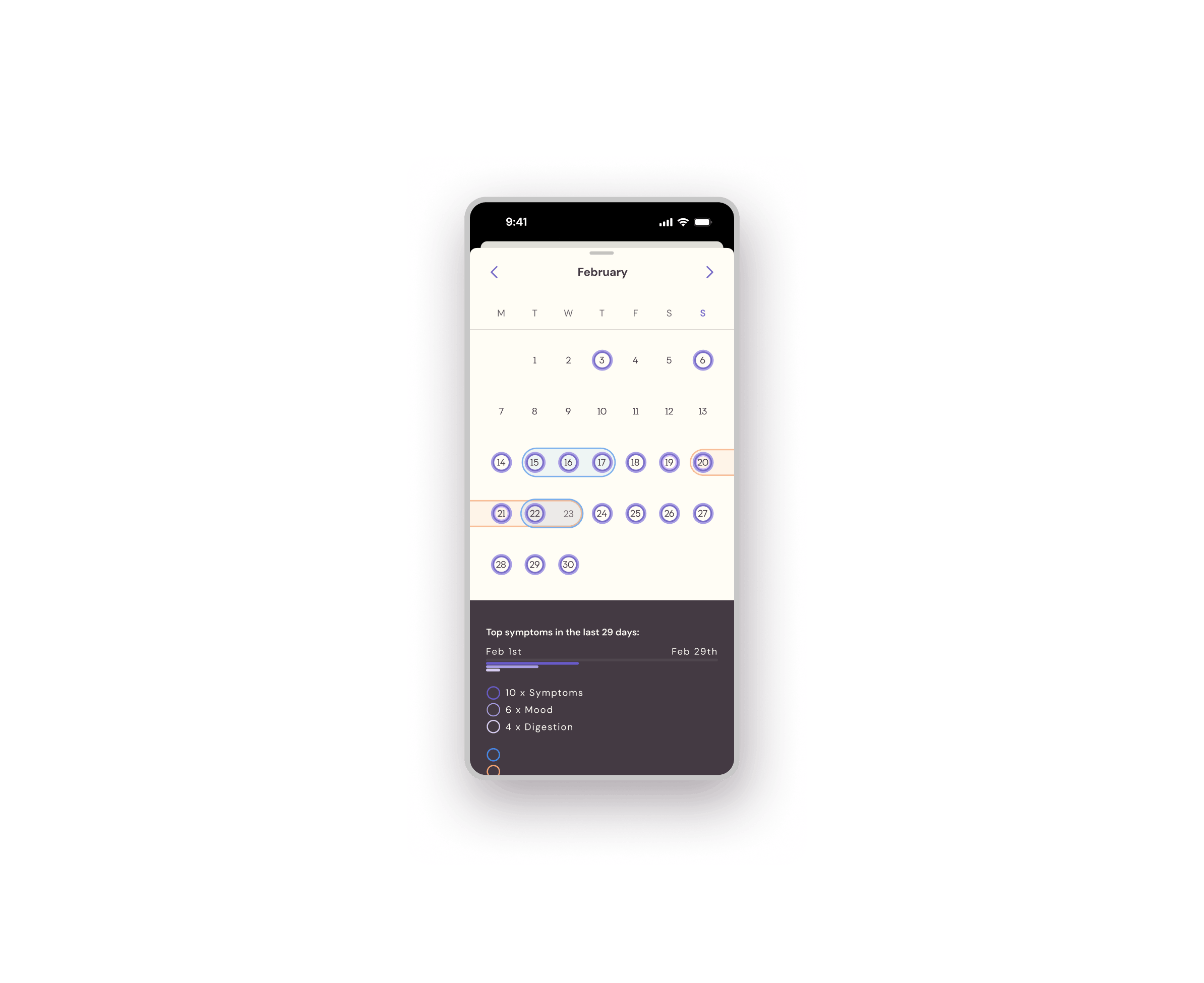
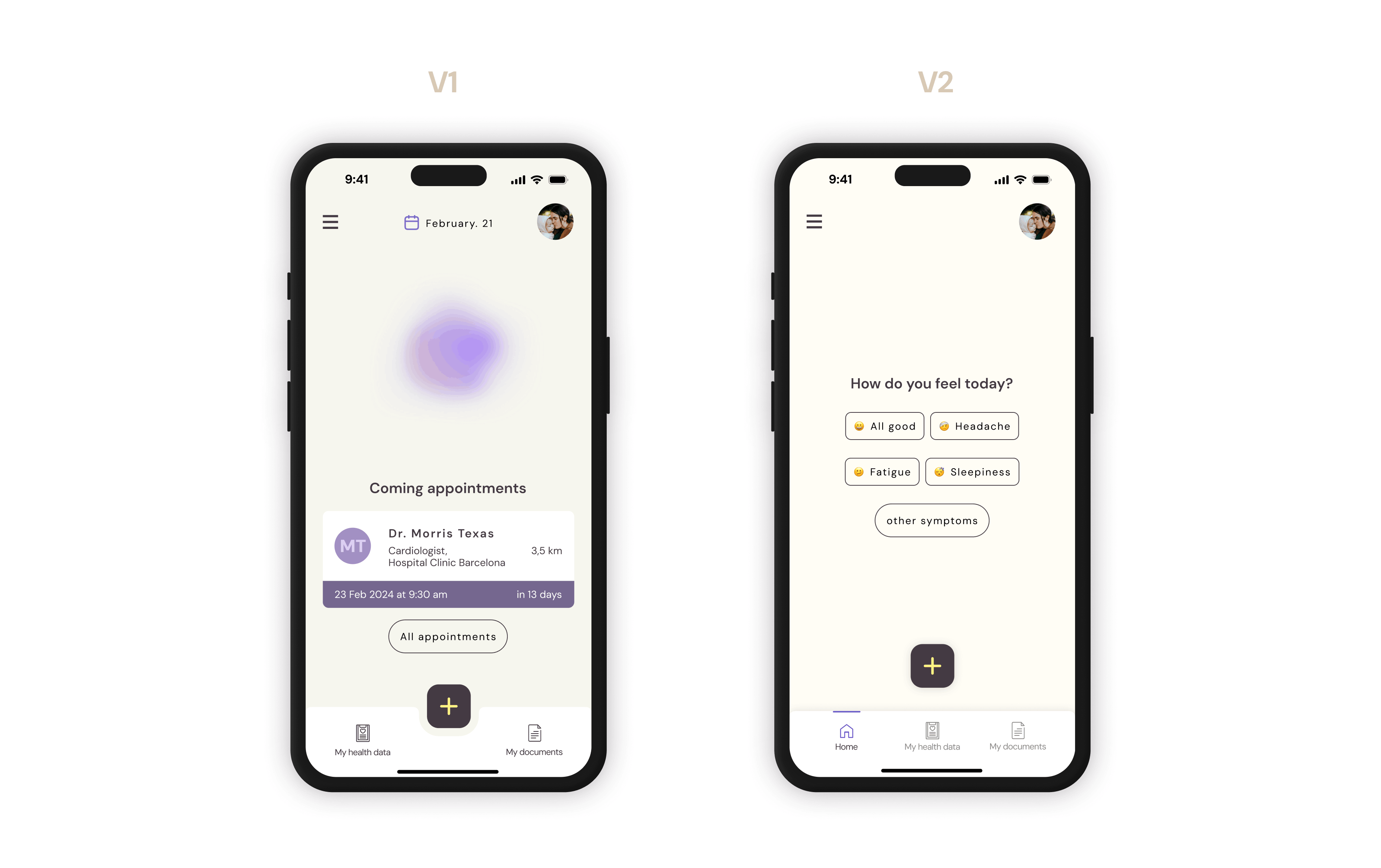
Symptom logging, document upload, and family profile switching were designed to feel light. Six user tests showed that the home screen needed to read as a daily health companion, not a records portal. The calendar view changed significantly after testing, based on how participants actually navigated their health history.
Core interaction patterns across the app's main flows.
Results
Shipped clean and secure.
Joona launched as a clean, functional app for managing personal health records.
- —Symptom journal with sick phase and pregnancy phase modes, adapting to the user's health context
- —Family profiles with viewer and editor access, shareable with partners and family members directly
- —GDPR compliant, German-hosted servers, positioned as product features from onboarding
- —Google Drive and Apple Health integration so records don't have to be manually re-entered
- —Architecture ready for what's next: emergency QR codes, premium tracking, and Apple Watch, without a rebuild
- —The founders granted us a small share of the IP.